
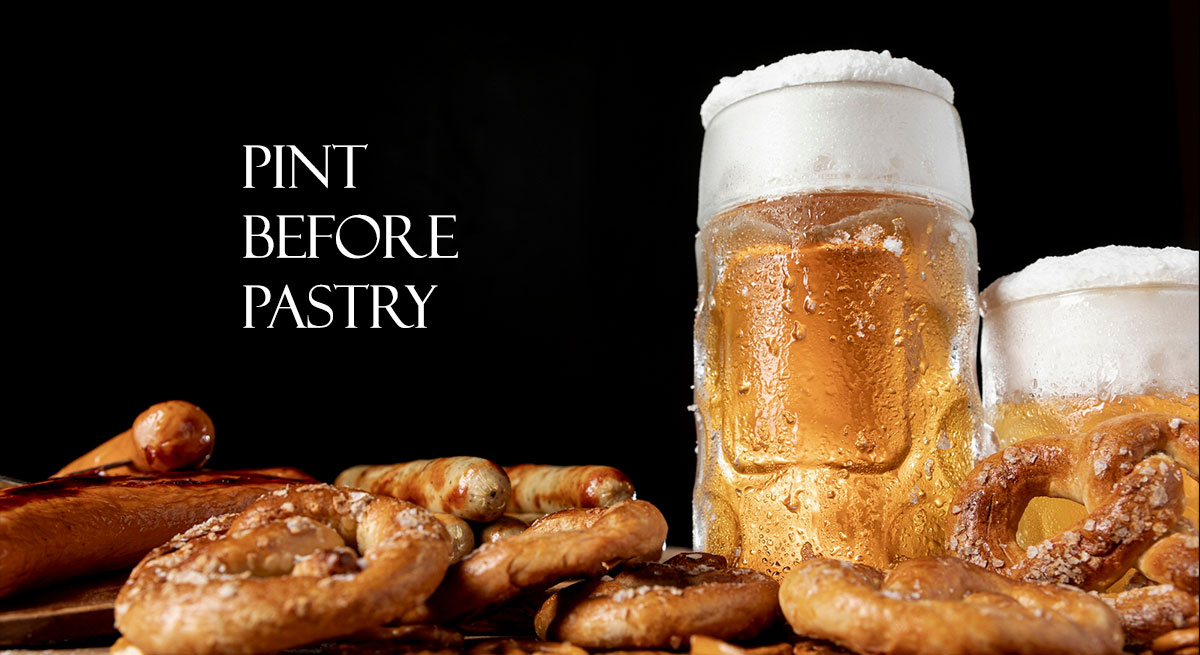

Pints Over Pastry – Why Early Humans Farmed for Foam
Based on the reporting of Gloria Dawson
Introduction: The Accident of Agriculture
For generations, the story of human civilization has been taught with a specific, wholesome consistency. We are told that our hunter-gatherer ancestors, tired of the incessant chase for game and the foraging for berries, settled down in the Fertile Crescent to cultivate grain. The motivation, standard history tells us, was food security. Specifically, they wanted to bake bread. This narrative places the solid, sensible loaf at the center of human evolution—the anchor that allowed us to build villages, then cities, and finally, empires.
But what if the catalyst for the greatest lifestyle shift in the history of our species wasn’t hunger, but thirst? What if the driving force behind the Neolithic Revolution wasn’t the need for carbohydrates, but the psychological desire for an altered state of consciousness?
According to a growing body of scientific evidence highlighted in the article “Beer Domesticated Man” by Gloria Dawson, early humans may have chosen pints over pastry. This theory, known colloquially as the “Beer Before Bread” hypothesis (Pints over Pastry), suggests that the domestication of wild grains—the very foundation of modern agriculture—was motivated by the desire to brew beer. As Dawson reports, this shift addresses not only our biological needs but delves deep into the societal, cultural, and psychological dimensions of what it means to be human.
The Biological Imperative: Nutrition and Safety
To understand why our ancestors might have prioritized a frothy beverage over a solid meal, we must look at the harsh realities of the Palaeolithic and Neolithic worlds. Survival was a calorie game, but it was also a game of safety.
Gloria Dawson draws attention to the work of Patrick E. McGovern, the director of the Biomolecular Archaeology Project for Cuisine, Fermented Beverages, and Health at the University of Pennsylvania. McGovern poses a provocative counter-narrative to the bread-first hypothesis. He argues that beer was not merely a recreational luxury but a nutritional powerhouse that, in many ways, superseded bread.
Nutritionally, beer provided a distinct advantage. As Dawson notes from McGovern’s research, ancient beer was rich in B vitamins and the essential amino acid lysine. In a diet that was often erratic and limited, these nutrients were vital for brain development and physical stamina. But perhaps more critical than the vitamin content was the safety of the liquid itself.
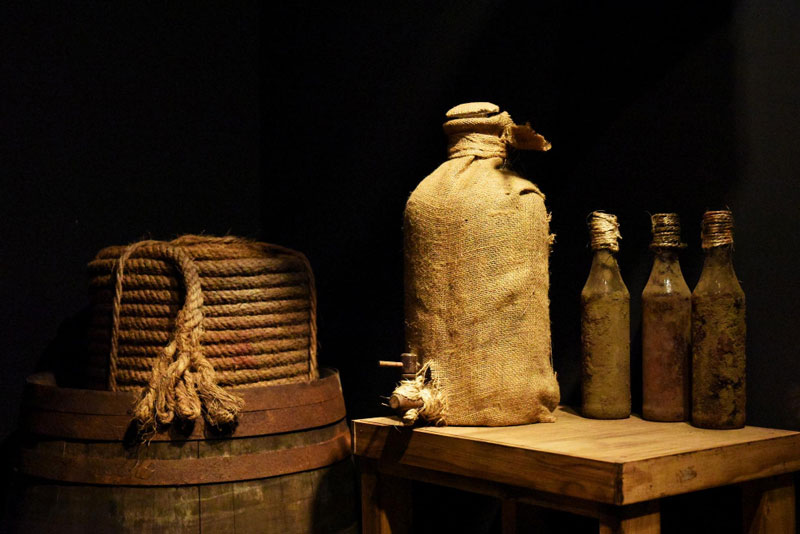
In the ancient world, water was often a gamble. Sources could be contaminated with fecal matter, parasites, or deadly bacteria. Drinking from a stagnant pool could mean dysentery and death. Beer, however, offered a technological solution to a biological problem. The fermentation process, which produces alcohol, effectively killed pathogenic microorganisms. As McGovern points out, with an alcohol content of four to five percent, beer was safer to drink than the water available to early settlements. It was, in essence, a sterile, hydrating, and calorie-dense survival ration.
Solomon H. Katz, an anthropology professor at the University of Pennsylvania, adds another layer to this biological argument. As cited by Dawson, Katz argues that beer possessed all the nutritional benefits of bread with one massive evolutionary “bonus”: the buzz. This psychoactive effect is not trivial. In a life filled with physical danger, predation, and the gruelling labour of survival, the ability to induce a state of relaxation and euphoria would have been a powerful psychological tool, reinforcing the desire to cultivate the crops necessary to produce it.
The Psychological Dimension: The Buzz as a Catalyst
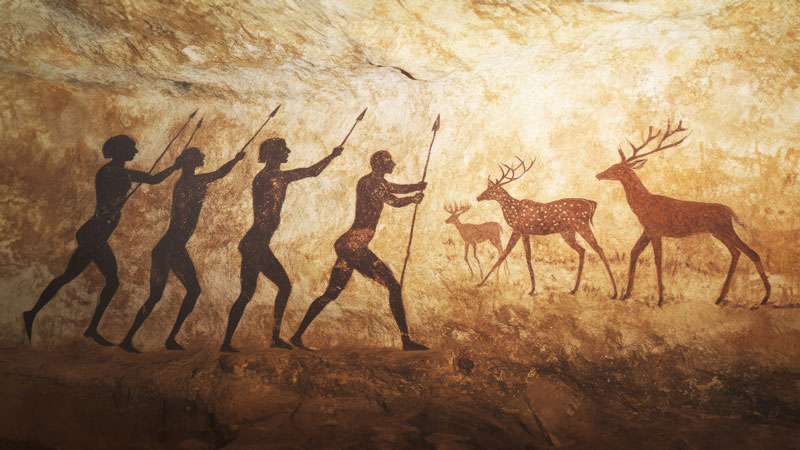
The “buzz” that Katz refers to is central to understanding the psychological dimension of the beer hypothesis. We often view intoxication through the lens of modern vice, but in the context of human evolution, it likely played a functional role.
The transition from small, kinship-based hunter-gatherer groups to larger, sedentary communities was fraught with tension. Living in close quarters with non-relatives required a suppression of primate aggression and an increase in social tolerance. Alcohol is a known social lubricant. It lowers inhibitions and anxiety.
Dawson’s reporting highlights the view that this pleasant buzz wasn’t just about getting drunk; it was about the psychology of the self and the group. The altered state provided by early beers would have offered a temporary escape from the rigors of a subsistence existence. If we consider the human drive for altered states of consciousness—seen in everything from meditation to spinning rituals—the discovery of fermentation was likely viewed as a miraculous, perhaps even divine, intervention.
This psychological reward system created a feedback loop. Humans felt good when they consumed this grain-water mixture. Therefore, they wanted more of it. To get more of it, they could not rely on sporadic stands of wild barley; they had to plant it, tend it, and protect it. Thus, the psychological desire for the effects of alcohol may have provided the patience and foresight required for agriculture. As McGovern told Dawson, “All of these grains could have jump-started civilization as we know it because you really have to stick around the whole year to take care of your plants.”
The Societal and Cultural Glue
Moving beyond the individual biological and psychological benefits, beer appears to have been the mortar that held early societies together. Dawson’s article explores the role of fermentation in the “social bonding” of early communities, a concept championed by Brian Hayden, an archaeology professor at Simon Fraser University in Canada.
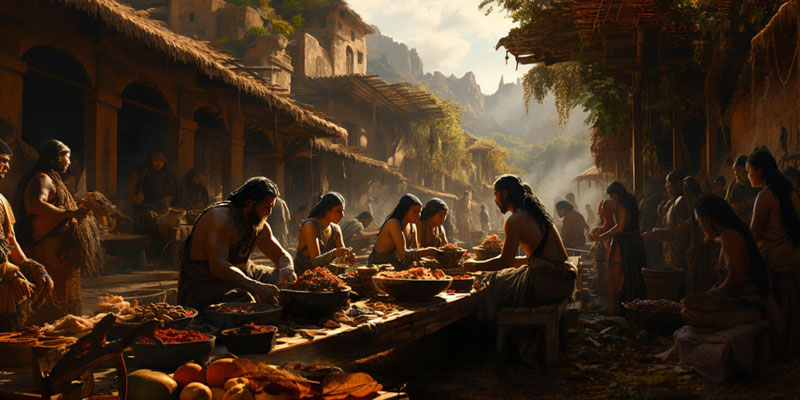
Hayden suggests that “communal feasting” was a primary engine for social cohesion. In these early feasts, beer was not a side dish; it was the main event. These gatherings were political and social necessities. They were where alliances were forged, disputes were settled, and marriages were arranged. The sharing of a psychoactive brew created a sense of shared reality and camaraderie that solid food alone could not achieve.
Furthermore, beer permeated the spiritual and economic structures of these budding civilizations. Dawson notes that beer was a staple at religious ceremonies and was considered a necessary provision for the afterlife. Across the Middle East, archaeological evidence shows the dead buried with jugs of fermented refreshments, ensuring they would not go thirsty in the world beyond. This elevates beer from a dietary staple to a sacred object, integral to the cultural understanding of death and the divine.
Economically, beer became a unit of value. It was liquid currency. In ancient Egypt, as Dawson points out, the laborers who built the pyramids were not just fed; they were paid in beer. This ration was crucial not only for their nutrition but for their placidity and morale. A society that pays in beer is a society that has institutionalized the production of grain for fermentation, proving that the beverage was central to the state’s infrastructure.

The Medicinal Dimension: The Ancient Apothecary
One of the most fascinating aspects of Dawson’s report is the revelation that ancient brewers were, effectively, the first doctors. The line between food, intoxicant, and medicine was non-existent in the ancient world.
McGovern’s work with the Abramson Cancer Center reveals that ancient beers were complex pharmacological cocktails. Traces of sage and thyme were found in ancient Egyptian jars. As Dawson explains, sage contains luteolin and thyme contains ursolic acid, both of which possess anti-cancer properties. Similarly, ancient Chinese rice wines were found to contain wormwood, a source of artemisinin, which fights cancer and malaria.
McGovern describes these beverages as the “universal medicine of humankind before the advent of synthetic medicines.” This adds a layer of deep cultural wisdom to the practice of brewing. The “medicine men” or shamans were likely the brewers, individuals who understood that adding certain herbs to the fermenting mash resulted in a drink that could heal the sick or ease pain. The alcohol served as an effective solvent, extracting the active chemical compounds from the herbs better than water could. Thus, the drive to farm grain was also a drive to secure the base for the community’s pharmacy.
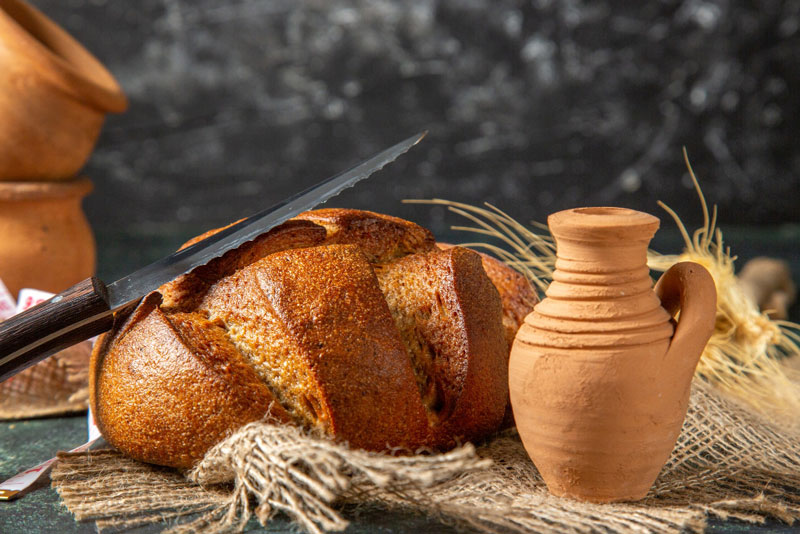
The Great Debate: Bread vs. Beer
The theory that beer drove agriculture is not without its detractors, and Dawson provides a fair account of the academic “food fight” that has raged since the 1950s. The traditional view, held by scholars like Robert Braidwood of The University of Chicago, posits that the Natufians (a culture existing between 13,000 and 9,000 B.C. in the Levant) domesticated grain purely for food.
Braidwood argued that the domestication of wild barley was a rational choice for food security, leading to permanent homes and stone silos. The logic is sound: grain doesn’t spoil like fruit, making it an ideal battery of stored energy.
However, Dawson highlights the counter-arguments that emerged from a symposium triggered by Braidwood’s work, titled “Did Man Once Live on Beer Alone?” Jonathan Sauer, a botanist, argued that the primitive tools available to the Natufians—flint sickles and rough stones—would have provided a “pitifully small return of grain” if the goal was just sustenance. The caloric return on investment for making bread (which requires threshing, winnowing, grinding, and baking) was incredibly low for the effort involved.
Sauer, and later Katz, argued that there had to be a motivation “more rewarding than mere food.” That motivation was thirst and the psychoactive reward. Katz’s analysis of the Ali Kosh site in Iran (7000–6000 B.C.) bolstered this claim. He found that domesticated cereals made up only 3.4 percent of the plants recovered. This low percentage suggests that grains were not a dietary staple (like bread) but a high-value, special-purpose ingredient—likely reserved for brewing.

The Experimental Evidence
But could early man actually brew beer with stone-age tools? This is the practical question that often stumps theorists. Dawson reports on the experimental archaeology undertaken by Brian Hayden in 2010 to settle this.
Using Paleolithic tools like mortars and pestles, Hayden’s team processed ancient grains—einkorn wheat, rye, and barley—and attempted to brew. The result? They successfully created brews with about 2.5 percent alcohol. While Hayden admitted they “tasted a bit bland,” the proof of concept was undeniable. It was technologically possible for early humans to brew. And as Dawson notes, 2.5 percent alcohol is “enough to pique early man’s interest.”
This experimental success supports the theory of accidental discovery outlined by McGovern and Katz. They theorize that beer was discovered when a gruel of barley was left out and naturally fermented by wild yeast (likely carried by insects). The result was a bubbly, intoxicating porridge. It was easier to make than bread—no ovens required, just a container and time. Once that first accidentally fermented gruel was sipped, the race to domesticate the grain was on.
A Global Phenomenon
Finally, Dawson’s article emphasizes that this was not a localized Middle Eastern quirk. The drive to ferment appears to be a human universal. McGovern notes that the pattern repeats globally. In China, it was rice wine; in the Americas, it was corn-based Chicha.
Wherever humans found a source of carbohydrate, they found a way to ferment it. This universality suggests that the psychological and social drive for alcohol is a fundamental trait of our species. The “beer before bread” hypothesis connects the dots between the stones of the Natufians, the rice paddies of ancient China, and the corn fields of the Americas. In every instance, the desire for the drink may have necessitated the settlement.
Conclusion
The article “Beer Domesticated Man” by Gloria Dawson offers a compelling re-examination of our origins. It challenges the utilitarian view of human evolution—that we are purely rational actors seeking the most calories for the least effort—and replaces it with a more complex picture of humanity.
We are a species driven by social bonding, by the need for psychological release, and by the desire to alter our consciousness. The evidence presented by Katz, McGovern, and Hayden suggests that the very foundations of our civilization—our farms, our villages, and our economies—were built not just on the need to eat, but on the desire to drink.
As McGovern rhetorically asks in Dawson’s piece, “If you had to choose today, which would it be: bread or beer?” The archaeological record suggests that our ancestors, faced with that same choice thousands of years ago, chose the pint. And in doing so, they domesticated themselves.
References
This paper is based primarily on the following article:
- Dawson, Gloria. “Beer Domesticated Man: Early man chose pints over pastry. Wouldn’t you?”
Secondary sources and experts cited within the primary text include:
- Solomon H. Katz, Anthropology Professor, University of Pennsylvania.
- Patrick E. McGovern, Director of the Biomolecular Archaeology Project for Cuisine, Fermented Beverages, and Health, University of Pennsylvania; Author of Uncorking the Past: The Quest for Wine, Beer, and Other Alcoholic Beverages.
- Brian Hayden, Archaeology Professor, Simon Fraser University.
- Robert Braidwood, Prehistorian, University of Chicago.
- Jonathan Sauer, Botanist, University of Wisconsin.

0 Comments