
The Transformative Power of Routines, Rituals, and Boundaries in Cultivating Psychological Harmony and Spiritual Depth leading to the Sacred Rhythm
Abstract
In an era of constant flux and digital distractions, the anchors of routines, rituals, and boundaries emerge as essential pillars for human flourishing. This paper explores their necessity and importance from psychological and spiritual perspectives, drawing on empirical studies and timeless wisdom traditions. Psychologically, routines provide structure that reduces anxiety and enhances well-being, rituals foster emotional resilience and meaning making, while boundaries safeguard mental health by promoting self-respect and healthy relationships. Spiritually, these elements connect individuals to a deeper sense of purpose, facilitating transcendence and inner peace.
Through an integrative lens, we argue that intentionally weaving these practices into daily life not only mitigates stress but elevates existence to a vibrant, harmonious state. Supported by research from fields like positive psychology and contemplative studies, this analysis underscores how such practices can lead to profound personal transformation, offering practical insights to achieve the Sacred Rhythm.

Introduction to the Sacred Rhythm
Imagine waking to the gentle light of dawn, engaging in a mindful morning ritual that sets a tone of gratitude and focus for the day ahead. This simple act, repeated daily, becomes a sanctuary amid life’s chaos—a routine that grounds the mind, a ritual that nourishes the soul, and boundaries that protect one’s energy. In our fast-paced world, where burnout and disconnection are rampant, the necessity of routines, rituals, and boundaries cannot be overstated. From a psychological viewpoint, they serve as cognitive frameworks that enhance mental stability and productivity. Spiritually, they act as bridges to the divine, fostering a sense of unity and purpose.
This paper delves into these elements, examining their individual and synergistic benefits. Routines are defined as habitual sequences of actions performed regularly, rituals as meaningful, symbolic practices often imbued with intention, and boundaries as limits that define personal space and interactions. Drawing from psychological research and spiritual traditions, we illustrate how these practices are not mere habits but vital tools for holistic well-being through achieving the Sacred Rhythm. As evidenced by studies, individuals with structured daily lives report lower stress levels and higher life satisfaction. By the end, readers will appreciate their transformative potential, inspired to cultivate their own sacred rhythms.

Psychological Perspective on Routines
Psychologically, routines are foundational to mental health, providing a predictable structure that combats the unpredictability of life. Research highlights how daily routines reduce cognitive load by automating decisions, freeing mental resources for creativity and problem-solving. For instance, a study published in the Journal of Family Psychology links family routines to improved sleep habits and social skills in children, extending benefits to adults by fostering emotional stability.
One key benefit is stress reduction. In times of uncertainty, such as during the COVID-19 pandemic, disruptions to routines were associated with heightened anxiety and depression. Conversely, establishing habits like consistent mealtimes and exercise regimens can stabilize mood and enhance resilience. Mayo Clinic research indicates that people with regular routines experience improved overall life satisfaction, scoring higher on happiness metrics. This is because routines trigger dopamine release, reinforcing positive behaviours and creating a virtuous cycle of well-being.
Moreover, routines aid in habit formation, crucial for long-term mental health. Observational studies show that healthy individuals maintain routine behaviours in diet, sleep, and exercise, leading to lower rates of mental disorders. For adolescents, routines correlate with reduced anxiety and depression, emphasizing their role across life stages. In essence, routines act as psychological scaffolding, supporting emotional regulation and preventing burnout.
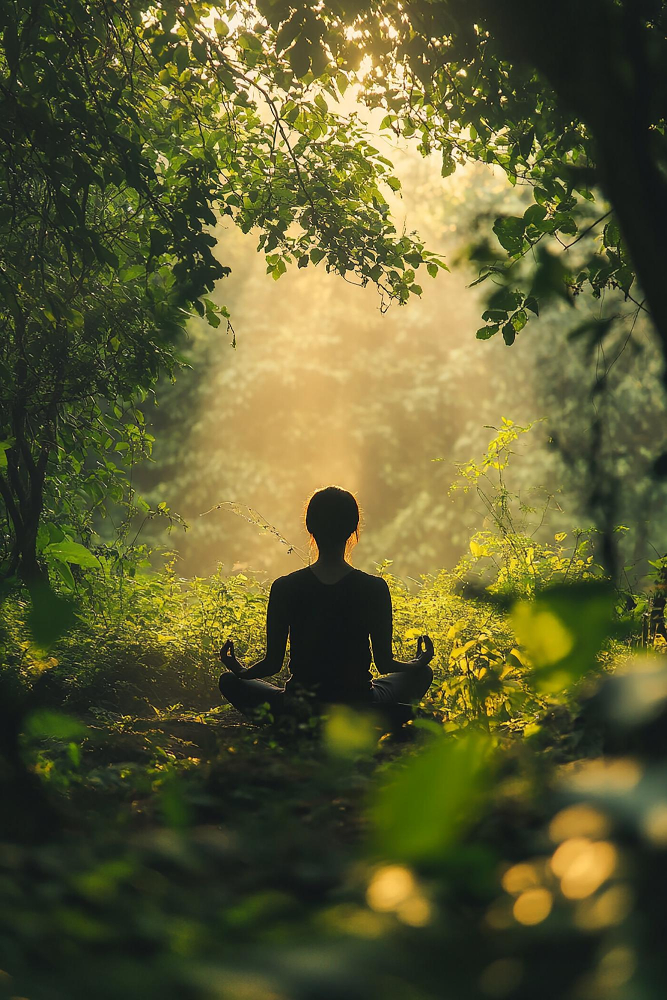
To visualize the serenity routines can bring, consider a peaceful morning meditation practice a key component of the sacred rhythm.

Psychological Perspective on Rituals
Rituals, often overlooked as mere superstitions, hold profound psychological value by infusing ordinary actions with meaning. Unlike routines, rituals involve symbolism and intention, which amplify their impact on mental health. Studies demonstrate that rituals mitigate anxiety, particularly in uncertain situations, by providing a sense of control. For example, end-of-life rituals strengthen bonds and reduce grief, highlighting their role in emotional processing.
Psychologically, rituals enhance focus and performance. Research from the Greater Good Science Centre shows that family rituals signal shared values, boosting collective well-being and individual identity. In therapeutic contexts, rituals like journaling or gratitude practices rewire neural pathways, promoting positivity and resilience.
Furthermore, rituals foster mindfulness, a key component of cognitive-behavioural therapy. By anchoring attention in the present, they reduce rumination and depressive symptoms faciliting the sacred rhythm. A 2020 analysis in Psychology Today underscores how rituals create temporal boundaries, marking transitions and aiding emotional recovery. Thus, incorporating rituals into daily life can transform mundane moments into sources of psychological strength.

Psychological Perspective on Boundaries
Boundaries are the invisible shields that protect psychological integrity, essential for healthy relationships and self-esteem. Psychologists emphasize that clear boundaries prevent emotional exhaustion by delineating personal limits. Without them, individuals risk co-dependency, resentment, and burnout, as noted in studies on relational dynamics.
The benefits are multifaceted: boundaries promote self-care, reducing stress and enhancing autonomy. Georgetown University research links boundary-setting to improved physical and mental health, as consistent limits foster consistency in self-advocacy. In professional settings, boundaries mitigate workplace fatigue, allowing for better work-life balance and generating the sacred rhythm.
Moreover, boundaries cultivate empathy and respect in interactions. Positive Psychology resources highlight how they enable authentic connections without overextension. For mental health professionals, boundaries are ethical imperatives that safeguard both practitioner and client well-being. Illustrating this, visual representations of boundary-setting can inspire clarity.
Spiritual Perspective on Routines
From a spiritual lens, routines transcend mere habituation, becoming pathways to divine alignment and inner harmony. In traditions like monasticism, daily routines—such as prayer schedules—cultivate discipline and presence, echoing the Benedictine ethos of “ora et labora” (pray and work). These practices attune the spirit to cosmic rhythms, fostering a sense of interconnectedness.
Spiritual routines enhance transcendence by quieting the ego and inviting higher consciousness. As explored in contemplative literature, consistent practices like yoga or walking in nature deepen self-awareness and connection to the universe. They provide stability amid spiritual quests, preventing disillusionment and supporting growth – the essence of the sacred rhythm.
Ultimately, spiritual routines nurture the soul’s evolution, transforming daily life into a sacred journey of purpose and peace.
Spiritual Perspective on Rituals
Rituals hold immense spiritual significance, serving as conduits for the sacred in everyday existence. Across cultures, rituals mark life’s milestones, invoking divine presence and communal unity. They create “sacred moments,” grounding individuals in the eternal now and facilitating spiritual awakening.
In spiritual psychology, rituals bridge the mundane and divine, accessing higher selves through symbolism. Practices like meditation or altar-building infuse life with meaning, reducing existential anxiety and enhancing fulfilment. Research affirms that rituals in daily life strengthen spiritual identity and resilience.
Spiritual Perspective on Boundaries
Spiritually, boundaries are acts of self-honouring, preserving sacred energy for divine pursuits. They protect against energetic drains, allowing for deeper spiritual immersion. In faith traditions, boundaries foster discernment, maturing the spirit toward freedom and authenticity.
Boundaries also delineate personal identity within the divine tapestry, promoting growth and compassion. By setting spiritual limits—such as time for solitude—they shield against overwhelm, enhancing clarity and connection to the higher self. This practice aligns with biblical and philosophical views, where boundaries serve relational and personal health.
Integration (The Sacred Rhythm): The Synergy of Routines, Rituals, and Boundaries
Psychologically and spiritually, these elements intertwine to create a holistic framework for life and provide the beats to the Sacred Rhythm. Routines provide the canvas, rituals add color and depth, and boundaries frame the masterpiece. Studies show that integrated practices amplify benefits, such as reduced anxiety through mindful boundaries in routines. Spiritually, this synergy fosters transcendence, where daily life becomes a ritual of divine expression.
For instance, a morning routine infused with ritualistic prayer, bounded by dedicated time, enhances both mental clarity and spiritual attunement. Research from Mental Health America supports customizable routines for optimal health. This integration not only prevents mental health pitfalls but invites profound joy and purpose.
Conclusion
In conclusion, routines, rituals, and boundaries are indispensable for psychological stability and spiritual enrichment – the scared rhythm. They reduce stress, foster resilience, and connect us to deeper truths, transforming ordinary days into extraordinary journeys. As we embrace these practices, we unlock a life of harmony, vitality, and meaning. Let us commit to weaving them into our existence, honouring the sacred rhythm within.
References
- WebMD. (2024). Psychological Benefits of Routines.
- Ontario Psychological Association. (2025). How Establishing Daily Habits Can Improve Mental Health.
- Minahan, J. (2019). The Importance of Creating Habits and Routine. PMC.
- Psychology Today. (2025). Routine Reset: Daily Habits for Good Mental Health.
- Dona Wellness Clinic. (2025). Why Daily Routines Are Essential for Mental Health and Emotional Stability.
- Mayo Clinic Press. (2025). The mental health benefits of routine.
- Northwestern Medicine. Health Benefits of Having a Routine.
- Mental Health America. Creating healthy routines.
- Psychology Today. (2017). Why Is It Important to Have Personal Boundaries?
- Psych Central. (2022). The Importance of Personal Boundaries.
- Georgetown University. (2021). How Setting Boundaries Can Benefit Physical and Mental Health.
- Positive Psychology. How to Set Healthy Boundaries & Build Positive Relationships.
- Health Psychology Partners. The Power of Boundaries: Protecting Your Mental and Physical Health.
- APA. (2025). The benefits of better boundaries in clinical practice.
- Colorado State University. (2025). What are boundaries? A professional counsellor explains.
- Papyrus UK. The importance of setting boundaries and saying no.
- Flockhart, S. (2024). THE POWER OF RITUALS: CREATING SACRED MOMENTS IN YOUR DAILY LIFE.
- BBC Future. (2021). The surprising power of daily rituals.
- Peaceful Mind. (2023). The Rich Benefits of Rituals: Rites of Passage for Wellbeing.
- Collective Spirituality. (2024). What personal rituals or ceremonies hold deep spiritual significance?
- Crystal Vaults. The Power of Ritual to Improve your Life.
- Psychology Today. (2020). The Importance of Ritual.
- Andrews, C. (2018). The Power of Incorporating Practical Rituals in Your Daily Life.
- The Druids Garden. (2020). Establishing Daily Personal Spiritual Practices.
- Greater Good Berkeley. (2024). How Everyday Rituals Can Add Meaning to Your Life.
- NPR. (2025). How sleep, exercise and a daily routine can improve your mental health.
- Greater Good Health. (2025). The Power of Routine: How Daily Habits Improve Mental Health.
- Southern Adventist University. (2022). The Rhythm of Your Life: The Effects of Daily Routine on Mental Health.
- Mental Health America. Creating healthy routines.
- Medicine Song Woman. How to Create and Reinforce Energetic & Spiritual Boundaries.
- Faith by Grace. (2021). Spiritual Boundaries.
- Divine Mercy University. (2021). Boundaries and Identity: Reflections for Spiritual Direction Relationships.
- Psychology for Growth. (2013). 4 Insights on Personal Boundaries.
- Facebook Group. (Recent). Importance of healthy boundaries in spirituality.
- Psychology Today. (2023). 10 Ways That Better Boundaries Can Improve Your Life.
- Heartmanity. 7 Reasons for Setting Healthy Boundaries.
- Casey Means. (2024). Become a pro-boundary setter by meditating on your miraculous boundaries.
- The Gospel Coalition. (2024). Think Biblically About Relational Boundaries
Target communities who may be benefit from reading this post
1. Overwhelmed Professionals and High-Achievers
Individuals operating in high-pressure environments often struggle with the “hustle culture” mindset. This group would benefit from the blog’s focus on slowing down and recognizing that rest is not a lack of productivity, but a necessary component of a sustainable life rhythm.
2. Mindfulness and Spiritual Practitioners
People who already have a meditation or yoga practice but are looking for ways to bridge the gap between their “on-the-mat” experience and their daily lives. The blog provides a framework for turning mundane daily tasks into “sacred” rituals, helping them maintain a state of presence throughout the day.
3. Creative Entrepreneurs and Artists
Creativity often requires a balance between intense output and deep reflection. This group frequently faces burnout or “blocks” when they ignore their internal cycles. The concept of sacred rhythms can help them structure their work around their natural energy ebbs and flows rather than forcing a standard 9-to-5 schedule.
4. Parents and Caregivers
Those responsible for the well-being of others often feel their personal time is fragmented. For this group, the blog offers a perspective shift: instead of viewing a busy household as a source of chaos, they can learn to see the repetitive nature of caregiving as a grounding, rhythmic practice that fosters connection.
5. Holistic Wellness and Nature Enthusiasts
Individuals interested in living in harmony with the environment—such as those following seasonal eating, circadian health, or eco-conscious lifestyles—will find the emphasis on “natural rhythms” highly relevant. It validates their desire to align their biological and emotional needs with the cycles of the world around them.

0 Comments