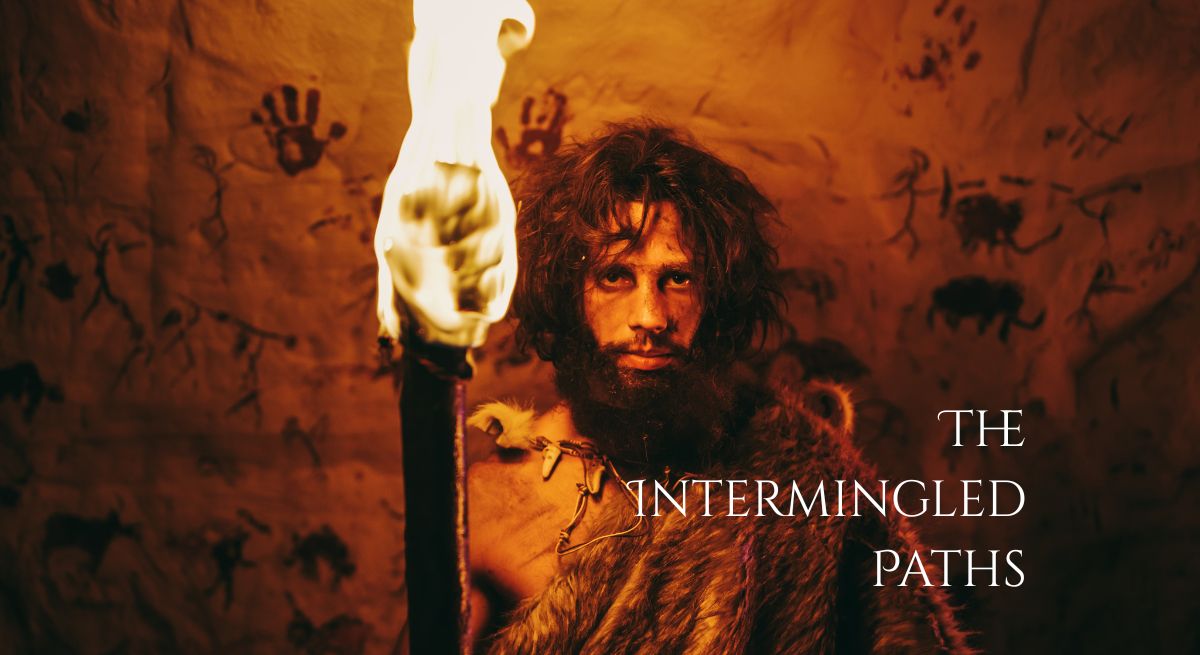
The Intermingled Paths
Neanderthals, Denisovans, and Homo Sapiens in Human Evolution
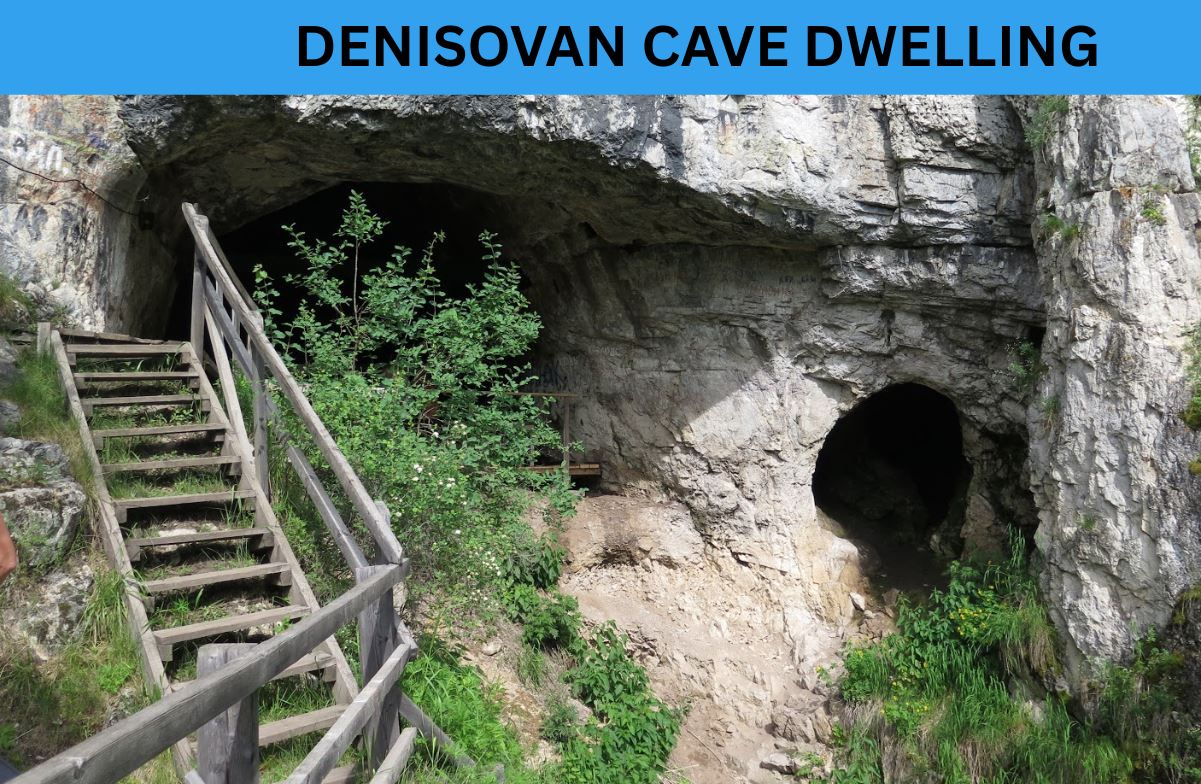
In the remote Altai Mountains of Siberia, nestled high above the Anuy River, lies Denisova Cave—a site that has revolutionized our understanding of human origins. In 2012, archaeologists unearthed a small bone fragment from this cave, no larger than a pinky finger.
Initially unremarkable, this 90,000-year-old relic, dubbed Denisova 11 or “Denny,” belonged to a teenage girl whose DNA revealed an astonishing secret: her mother was a Neanderthal, and her father was a Denisovan.d6fa5f This discovery, published in 2018, provided the first direct evidence of interbreeding between these two archaic human groups, painting a picture of a prehistoric world where human lineages crossed paths and mingled genetically.
The story of Denny is not just a footnote in palaeoanthropology; it encapsulates the complex evolutionary trajectory of Homo sapiens, Neanderthals (Homo neanderthalensis), and Denisovans—a mysterious sister group to Neanderthals. These interactions, occurring over tens of thousands of years, challenge the outdated notion of a linear human family tree. Instead, they reveal a web of migrations, encounters, and gene flows that shaped modern humanity. This article explores the context of these interminglings, from the deep divergences in our ancestral past to the genetic legacies that persist in our DNA today. By examining fossil evidence, genomic data, and the broader implications, we uncover how these ancient unions influenced the survival and diversity of Homo sapiens.
The Deep Roots: Divergences and Early Migrations
To understand the intermingling of Neanderthals, Denisovans, and Homo sapiens, we must first trace their evolutionary origins. The human story begins around 6 million years ago with early hominins like Sahelanthropus, who transitioned to bipedalism in Africa. Fast-forward to between 550,000 and 750,000 years ago, when a common ancestor—possibly Homo heidelbergensis—gave rise to the lineages that would become Neanderthals, Denisovans, and modern humans. Genetic evidence from ancient fossils, such as the 430,000-year-old Neanderthal genome from Sima de los Huesos in Spain, supports this divergence timeline.
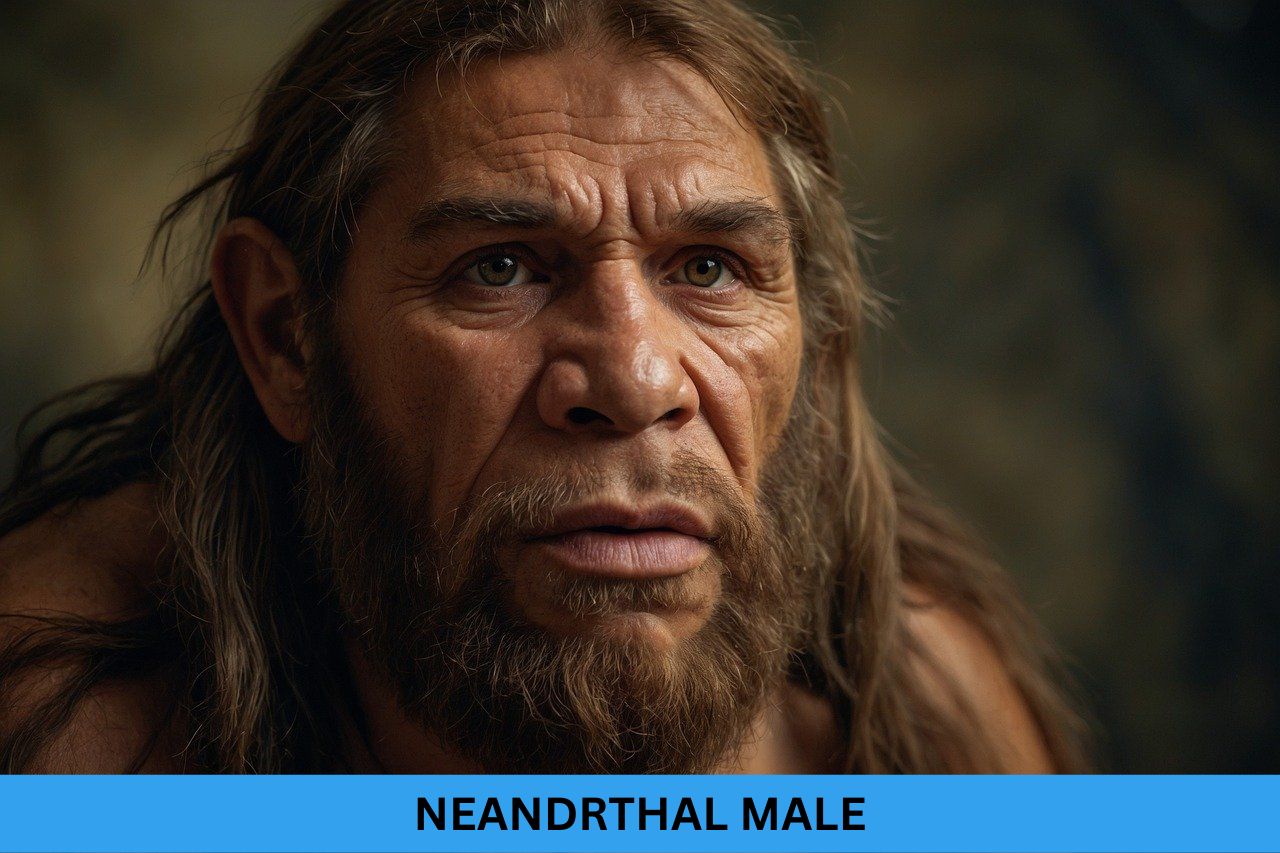
Neanderthals emerged in Europe and western Asia around 400,000 years ago, adapting to cold climates with robust builds, large brains, and sophisticated tools. They thrived until about 40,000 years ago, with some populations possibly lingering until 29,000 years ago. Denisovans, named after Denisova Cave where their remains were first identified in 2008, are less well-known due to scant fossils—primarily teeth and a pinky bone from four individuals.c8633a They inhabited Asia, splitting from Neanderthals around 390,000 years ago, and persisted until at least 40,000–50,000 years ago.
Meanwhile, Homo sapiens evolved in Africa around 300,000 years ago, as evidenced by fossils from Jebel Irhoud in Morocco, which display a mix of modern and archaic traits like a flat face and elongated skull. Early sapiens innovated with Middle Stone Age tools, including refined blades and projectile points, enhancing hunting efficiency. By 100,000 to 210,000 years ago, small groups of sapiens ventured out of Africa, reaching sites like Misliya Cave in Israel (177,000–194,000 years old) and Apidima Cave in Greece (possibly over 200,000 years old, though debated). These early forays were limited, but a major migration around 50,000–60,000 years ago, facilitated by lower sea levels, spread sapiens across Eurasia, where they encountered Neanderthals and Denisovans.
This “Out of Africa” expansion set the stage for interbreeding. Climate fluctuations, such as glacial periods, likely pushed populations into overlapping territories, fostering encounters. For instance, Neanderthals ranged across Europe and the Caucasus, while Denisovans occupied Siberia and possibly further south. Denisova Cave itself hosted Neanderthals, Denisovans, and early sapiens, making it a hotspot for potential interactions.
Evidence of Interbreeding: A Genetic Mosaic
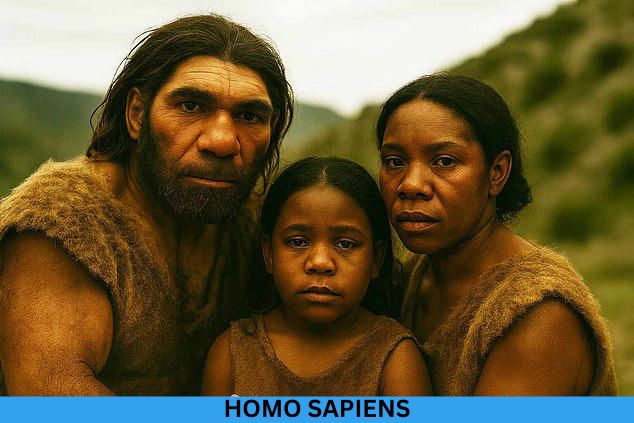
The idea of interbreeding among hominins was once speculative, but ancient DNA has transformed it into fact. Neanderthals and modern humans diverged around 550,000 years ago, yet non-African modern humans carry 1–4% Neanderthal DNA, indicating admixture around 47,000–65,000 years ago.East Asians have slightly higher levels (2.3–2.6%) than Europeans (1.8–2.4%), suggesting multiple pulses of gene flow.ee96da Even Africans possess up to 0.3% Neanderthal ancestry, likely from back-migrations.
Denisovan contributions are more regionally specific. Oceanian populations, like Melanesians, carry 4–6% Denisovan DNA, with Philippine Ayta Negritos showing up to 30–40% more than Australo-Melanesians.South and East Asians have lower traces, and at least two separate Denisovan admixture events occurred around 44,000–54,000 years ago. Remarkably, Neanderthals and Denisovans also interbred with each other earlier, as evidenced by about 17% of Denisovan DNA deriving from Neanderthals. Their ancestors even admixed with “superarchaic” hominins around 350,000 years ago, possibly an erectus-like
In Africa, “ghost” archaic populations contributed 2–19% to genomes like those of Yoruba and Mende peoples, from hominins that diverged 360,000–1.02 million years ago. These events highlight that interbreeding was not rare but a recurring feature of human evolution, blurring species boundaries. Genetic patterns, such as reduced archaic DNA on the X chromosome and in testes-related genes, suggest hybrid male infertility, implying that matings often involved archaic males and sapiens females.
The Denny Discovery: A First-Generation Hybrid
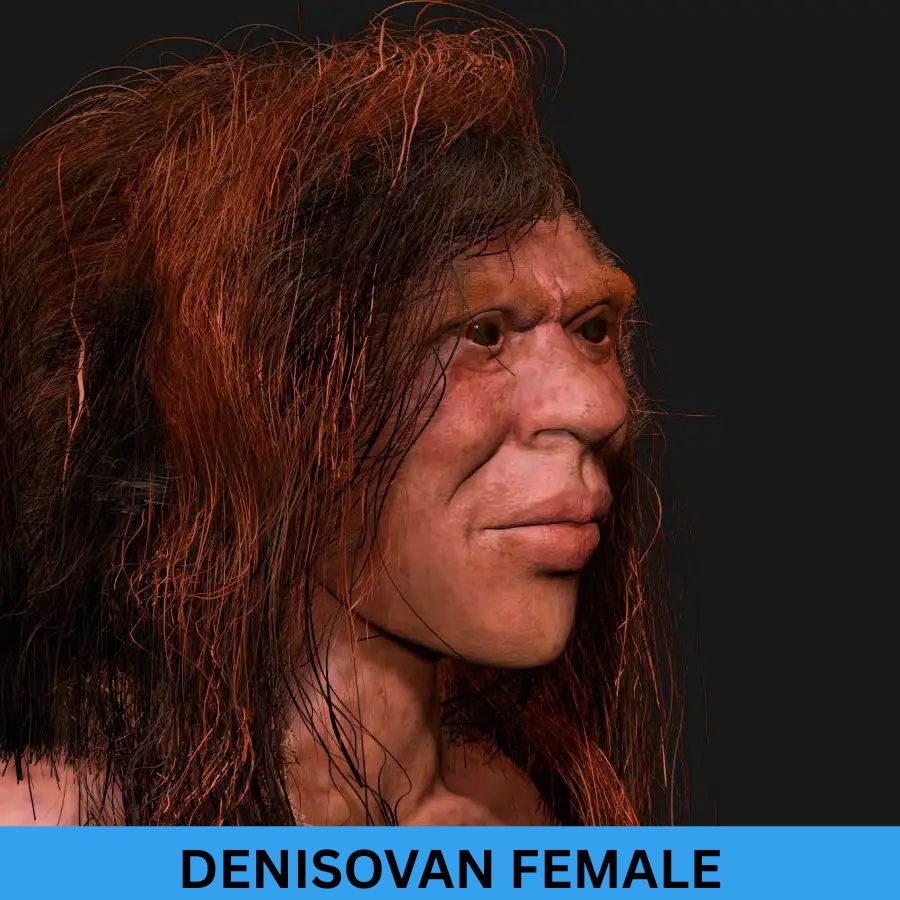
The pinnacle of this intermingling evidence is Denny, the 90,000-year-old girl from Denisova Cave. Discovered amid thousands of bone fragments, this long bone was analysed by researchers at the Max Planck Institute for Evolutionary Anthropology. Protein analysis first hinted at its human origin, but mitochondrial DNA—passed maternally—revealed a Neanderthal mother. Nuclear DNA sequencing then showed equal contributions from Neanderthal and Denisovan genomes, with high heterozygosity confirming she was a first-generation hybrid.
Denny’s father was Denisovan but carried Neanderthal ancestry from a relative a few hundred generations prior, suggesting ongoing gene flow between the groups. Her mother was genetically closer to western European Neanderthals than local ones, indicating Neanderthal migrations across Eurasia. At about 13 years old when she died, Denny lived during a time when both groups overlapped in Siberia, possibly drawn by shared resources like game animals.
This find, detailed in a 2018 Nature study, underscores that interbreeding was not exceptional. As paleogeneticist Viviane Slon noted, the odds of finding such a hybrid suggest these events were more common than fossils alone imply. Denny’s existence challenges rigid species definitions, as Neanderthals and Denisovans, diverged for hundreds of thousands of years, produced viable offspring.
Broader Interbreeding Events and “Ghost” Populations
Beyond Denny, other evidence abounds. A 100,000-year-old sapiens-Neanderthal hybrid mandible from Romania shows recent Neanderthal ancestry. Modern sapiens interbred with Neanderthals shortly after leaving Africa, around 50,000 years ago, as recent studies refine the timeline.
Gene flow went both ways: sapiens DNA appears in late Neanderthals around 100,000 years ago.
Denisovans admixed with sapiens in at least two pulses, influencing populations from Tibet to Papua New Guinea. A 2025 study highlights multiple Denisovan interbreedings shaped traits like high-altitude survival and cold adaptation. “Ghost” populations—undiscovered archaic groups—left traces in African and Eurasian genomes, suggesting even more complexity.
Genetic Legacies: Adaptations and Risks
The interminglings left profound marks on modern genomes. Archaic DNA introgression introduced beneficial variants faster than mutations alone could.60ef8b Neanderthal genes enhanced immune responses (e.g., TLR clusters for pathogen resistance) and skin pigmentation for UV protection in Eurasia.d65fa9 Denisovan contributions include the EPAS1 gene, enabling Tibetans to thrive at high altitudes by regulating oxygen response. In Indigenous Americans, Denisovan genes aided cold adaptation.
However, not all legacies are positive. Selection purged many deleterious archaic alleles, creating “deserts” in gene-dense regions. Remaining variants increase risks for diseases like type 2 diabetes, celiac disease (via CCR genes), Crohn’s disease (ZNF365D variant), and allergies. Neanderthal DNA influences neurological traits, potentially linking to schizophrenia or depression. These effects highlight how ancient interbreedings contribute to modern health disparities.
Implications for Human Evolution and Identity
The evolutionary trajectory of intermingling reshapes our view of humanity. Rather than a triumphant replacement of archaic groups, sapiens’ success involved absorbing their genes, aiding adaptation to new environments. This hybrid vigour may have been key to sapiens’ global dominance by 15,000–40,000 years ago, when Neanderthals and Denisovans vanished.
Philosophically, these discoveries blur “us” versus “them.” Modern humans are mosaics, carrying echoes of extinct relatives. As Princeton geneticists note, our history is one of intimate connections, not isolation. Future research, including more ancient genomes, may reveal additional “ghost” interbreedings.
In conclusion, the story of Denny and her kin illustrate a dynamic human evolution marked by migration, encounter, and fusion. From African origins to Eurasian crossroads, Neanderthals, Denisovans, and Homo sapiens intermingled, forging the genetic tapestry of today. This trajectory reminds us that diversity—genetic and cultural—has always been our strength, a legacy etched in our bones and blood.
References:
- Slon, V., Viola, B., Renaud, G., et al. (2018). The genome of the offspring of a Neanderthal mother and a Denisovan father. Nature, 561(7721), 113-116. https://www.nature.com/articles/s41586-018-0455-xd66eac
- Prüfer, K., Racimo, F., Patterson, N., et al. (2014). The complete genome sequence of a Neanderthal from the Altai Mountains. Nature, 505(7481), 43-49. (Background on Altai Neanderthal and Denisovan comparisons.)
- Reich, D., Green, R. E., Kircher, M., et al. (2010). Genetic history of an archaic hominin group from Denisova Cave in Siberia. Nature, 468(7327), 1053-1060. (Initial Denisovan discovery and genome.)
- Sankararaman, S., Mallick, S., Patterson, N., & Reich, D. (2016). The combined landscape of Denisovan and Neanderthal ancestry in present-day humans. Current Biology, 26(9), 1241-1247. (On interbreeding legacies in modern humans.)52e146
- Jacobs, G. S., Hudjashov, G., Saag, L., et al. (2019). Multiple deeply divergent Denisovan ancestries in Papuans. Cell, 177(4), 1010-1021.e32. (Multiple admixture events.)
- Chen, F., Welker, F., Shen, C. C., et al. (2019). A late Middle Pleistocene Denisovan mandible from the Tibetan Plateau. Nature, 569(7756), 409-412. (Broader Denisovan evidence beyond Siberia.)

0 Comments